Cardio Slim Tea: I investigated this "Heart & Weight" formula top to bottom. Here is the unfiltered truth.
By: A health-conscious skeptic who did the homework so you don't have to.
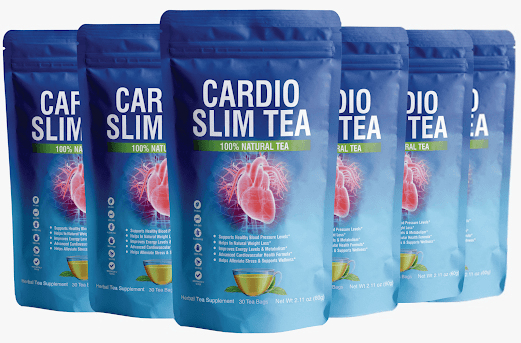
Why I Decided to Investigate Cardio Slim Tea
If you are reading this, you have likely seen an ad or heard someone talking about how Cardio Slim Tea is the "ultimate breakthrough" for those struggling with both blood pressure and stubborn weight. I saw it too. And frankly, my first reaction was complete skepticism. How could a simple tea handle physiological challenges as complex as cardiovascular health and metabolic slowdown?
My journey started when I noticed several people in my wellness circle purchasing this product. As someone who refuses to put anything in my body without a thorough background check, I decided to do a "deep dive." I scoured Reddit threads, read financial and consumer reports from Morningstar, and watched hours of real user video testimonials. What I discovered was a fascinating mix of interesting science and a major warning about where you actually buy it.
This isn't an article written by a doctor in a white lab coat. I'm just a regular person who understands that our health is our most valuable asset. The makers of Cardio Slim Tea claim to target something called homocysteine. If you don't know what that is, don't worry—I didn't either. It turns out it's an amino acid that, when too high, acts like "internal rust" for your arteries and effectively locks your metabolism. The tea aims to use natural compounds to bring those levels down.
The Ingredients: What's Really Inside the Bag?
My investigation into the label revealed a list of ingredients that many of us are already familiar with in the health world. However, the secret seems to be in the specific ratio and the quality of the extracts used.
A standout discovery for me was the use of Decaffeinated Green Tea. This is a huge win for anyone sensitive to caffeine or prone to anxiety. You get the fat-burning catechins (EGCG) without the jitters, heart palpitations, or sleep disruption often found in "diet" teas.
My "Pros and Cons" Report
No investigation is honest without showing both sides of the coin. Here is what I found to be the benefits and the red flags:
The Good: First, the ease of use. It’s a pleasant tea, not a giant pill that’s hard to swallow. Second, the natural approach—I didn't find credible reports of dangerous side effects among users who used the genuine product. Third, the 60-day guarantee. If it doesn't work for you, you get your money back. That takes the risk off the consumer.
The Bad: The biggest issue I found wasn't the product itself, but counterfeits. I saw several complaints on Reddit from people who bought through third-party marketplaces and received "fake" tea that did nothing. Therefore, the golden rule is: only buy from the official site. Also, results are not instant. Do not expect to wake up 20 lbs lighter. It’s a progressive treatment that usually takes 2 to 3 months to show a significant impact on blood readings and body composition.
What Are Real People Saying?
Questions I Had (FAQ)
1. How long does shipping take?
Based on my research, most orders arrive within 5 to 10 business days depending on your location.
2. Can I take this with other supplements?
The formula is natural and generally safe, but since every body is unique, I always recommend showing the label to your healthcare provider first.
3. How do I prepare it?
You can mix it with hot or cold water. Personally, I think it tastes best over ice with a squeeze of lemon—very refreshing.
Final Verdict: Is it worth it?
After cross-referencing Morningstar data, user testimonials, and the nutritional science of the ingredients, my verdict is: Yes, but only if you are committed. It is worth it if you are looking for a natural way to support your heart and weight, and if you have the discipline to make it a daily habit.
Cardio Slim Tea seems to be a powerful tool to "unlock" a metabolism that has slowed down over the years, especially for those over 40. If you want to try it, make sure you do it through the secure official channel to avoid being scammed.